
Heart complications were a puzzling part of my aHUS journey
I had symptoms of hypertrophic cardiomyopathy, but no family history
Written by |





Living with multiple rare and chronic illnesses is stressful, difficult, and complicated. I have four autoimmune disorders and one connective tissue disorder, each of which comes with its own unique set of comorbidities. But the condition that causes the most issues for me is my primary illness, atypical hemolytic uremic syndrome (aHUS).
I developed aHUS in the fall of 2020 after an asymptomatic bout of COVID-19. I spent nearly two months in the intensive care unit on the brink of death, my body being attacked by issue after issue. aHUS was destroying my red blood cells, and my remaining blood was forming clots in my kidneys, liver, and uterine tissue, slowly killing those organs.
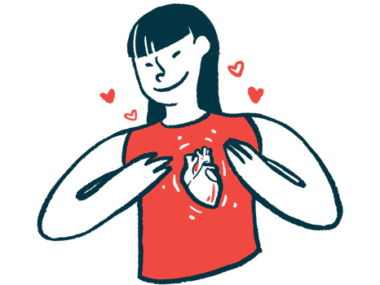
One unexpected complication was hypertrophic cardiomyopathy (HCM) — at least, that’s what we thought it was. HCM is when the heart muscle thickens, making it difficult for the heart to pump blood. This can cause fainting, shortness of breath, chest pain, heart palpitations or fluttering, and fatigue.
I had a slew of immune, blood, kidney, and liver issues, which are common in aHUS, when I was hospitalized. I also had severe hypertension and heart issues. aHUS is often associated with hypertension because of its effects on kidney function. But my cardiac symptoms didn’t align with the usual aHUS complications.

Did I really have HCM?
Doctors asked me tons of questions about family medical history, symptoms in the months leading up to my hospitalization, and so on. One thing was clear: No one in my family had any heart issues. HCM is usually genetic — a parent with the condition has a 50% chance of passing it to their children.
My medical team hadn’t seen an HCM patient with no family history of the disease. But after further research and consultations, they learned that some people have nonfamilial HCM, meaning no reported family history of the condition and no genetic mutations typically associated with it.
In my case, nonfamilial HCM checked all the boxes. Hypertension and obesity can be contributing factors, and I had experienced both in the months leading up to my aHUS diagnosis.
Whenever I’m physically active, I notice symptoms of HCM, especially the shortness of breath and chest pain. I feel them every time I walk through a grocery store, climb stairs, or walk up a hill.
While these symptoms are stressful and scary, there are a few things I can do to lessen HCM’s effects. Regularly taking hypertension medication and keeping my blood pressure under control are the most crucial. Keeping my weight in check makes a huge difference, along with limiting physical exertion and not overdoing it. It’s nice when I have at least a little control over a comorbidity.
Note: aHUS News is strictly a news and information website about the disease. It does not provide medical advice, diagnosis, or treatment. This content is not intended to be a substitute for professional medical advice, diagnosis, or treatment. Always seek the advice of your physician or other qualified health provider with any questions you may have regarding a medical condition. Never disregard professional medical advice or delay in seeking it because of something you have read on this website. The opinions expressed in this column are not those of aHUS News or its parent company, Bionews, and are intended to spark discussion about issues pertaining to aHUS.

Leave a comment
Fill in the required fields to post. Your email address will not be published.